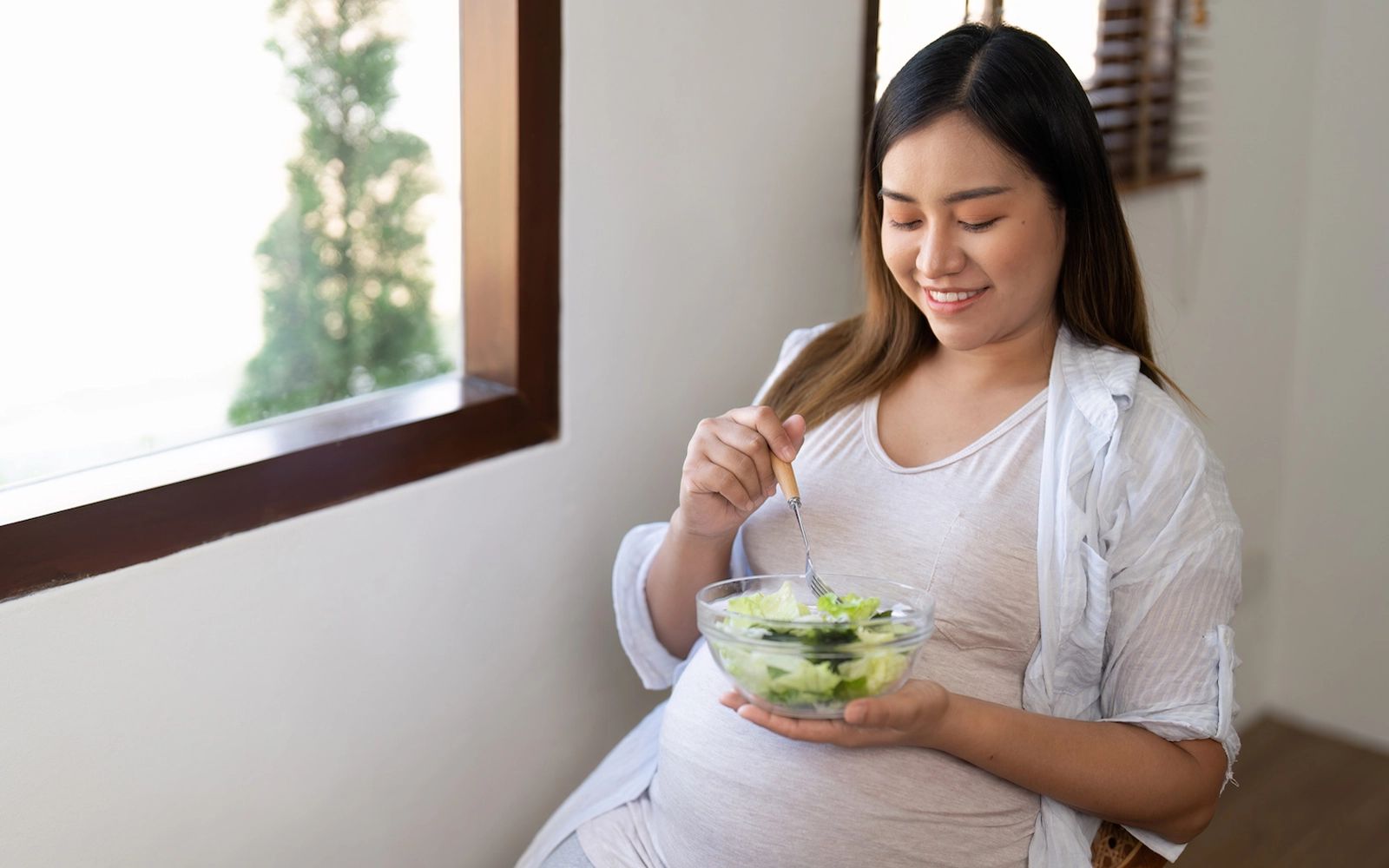
According to fertility specialist Dr Raihana Ismail, good nutrition is one of the most important – yet often overlooked – steps in improving fertility, as the hormonal system needs sufficient nutrients to function optimally.
“When both husband and wife adopt a balanced diet that includes adequate protein, healthy fats, and essential vitamins and minerals, it helps stabilise body weight, regulate the menstrual cycle, and improve the quality of eggs or sperm produced,” she told Bernama.
She said healthy eating also helps lower stress and inflammation, both of which can disrupt hormonal balance and affect a woman’s chances of conceiving.
Additionally, poor dietary habits, including excessive sugar and processed foods, can contribute to insulin resistance and inflammation, increasing the risk of hormonal disturbances.
“A deficiency in key nutrients and healthy fats can lead to irregular menstruation, ovulation problems and chronic fatigue, all of which can make conception more difficult,” she continued, adding that adequate water intake is also important.
On specific nutrients, she said women planning to conceive should ensure they consume enough protein, iron, folic acid, calcium, vitamin D, omega-3 fatty acids and antioxidant-rich foods.

“Protein helps in the formation of hormones and reproductive cells. Iron supports the transport of oxygen in the blood, while folic acid is essential for egg quality,” she explained.
Raihana also encouraged women to include more vegetables, fruits, whole grains, legumes, fish, eggs and lean meats in their diet, while limiting high-caffeine and carbonated drinks.
On the topic of extreme diets, she warned that they could disrupt fertility and increase the risk of conditions such as polycystic ovary syndrome (PCOS).
And notably, when it comes to fertility, diet affects men as well – unhealthy eating patterns can reduce sperm quality and quantity, Raihana noted.
“A balanced diet helps improve sperm health and motility, thereby supporting the couple’s journey towards pregnancy,” she said.
She advised women to consult a fertility specialist if they continue to face difficulty conceiving despite maintaining a healthy diet and lifestyle.
Modern treatments such as ovulation induction, intrauterine insemination, and in vitro fertilisation could help, depending on the cause of infertility and the couple’s overall health.
“For women who are trying to conceive, the most important advice from specialists is not to put too much pressure on themselves. Stress management should be viewed as an integral part of efforts to conceive,” Raihana concluded.