
“Be with me always – take any form – drive me mad! Only do not leave me in this abyss, where I cannot find you!”
Haunting words from a devastating novel by the great English writer Emily Brontë. With her seminal work, “Wuthering Heights”, Brontë shook the literary world with its raw, unapologetic, and scandalous love story.
In many ways, British actor/director Emerald Fennell’s latest film, inspired by Brontë’s novel, can be summed up by those very words.
The 136-minute film, also titled “Wuthering Heights” and starring Margot Robbie and Jacob Elordi, is an original reimagining of what is arguably one of the greatest love stories of all time (after Shakespeare’s “Romeo and Juliet”, which the film references). It unfolds as an epic tale of lust, love and madness.
But beyond the Romantic symbolism and Gothic flourishes that saturate Fennell’s “Wuthering Heights”, the question remains: was this reimagining necessary?
And more importantly, does it work? The short answer: the film lands on rocky terrain – painful to traverse, yet overlooking a strangely beautiful valley.
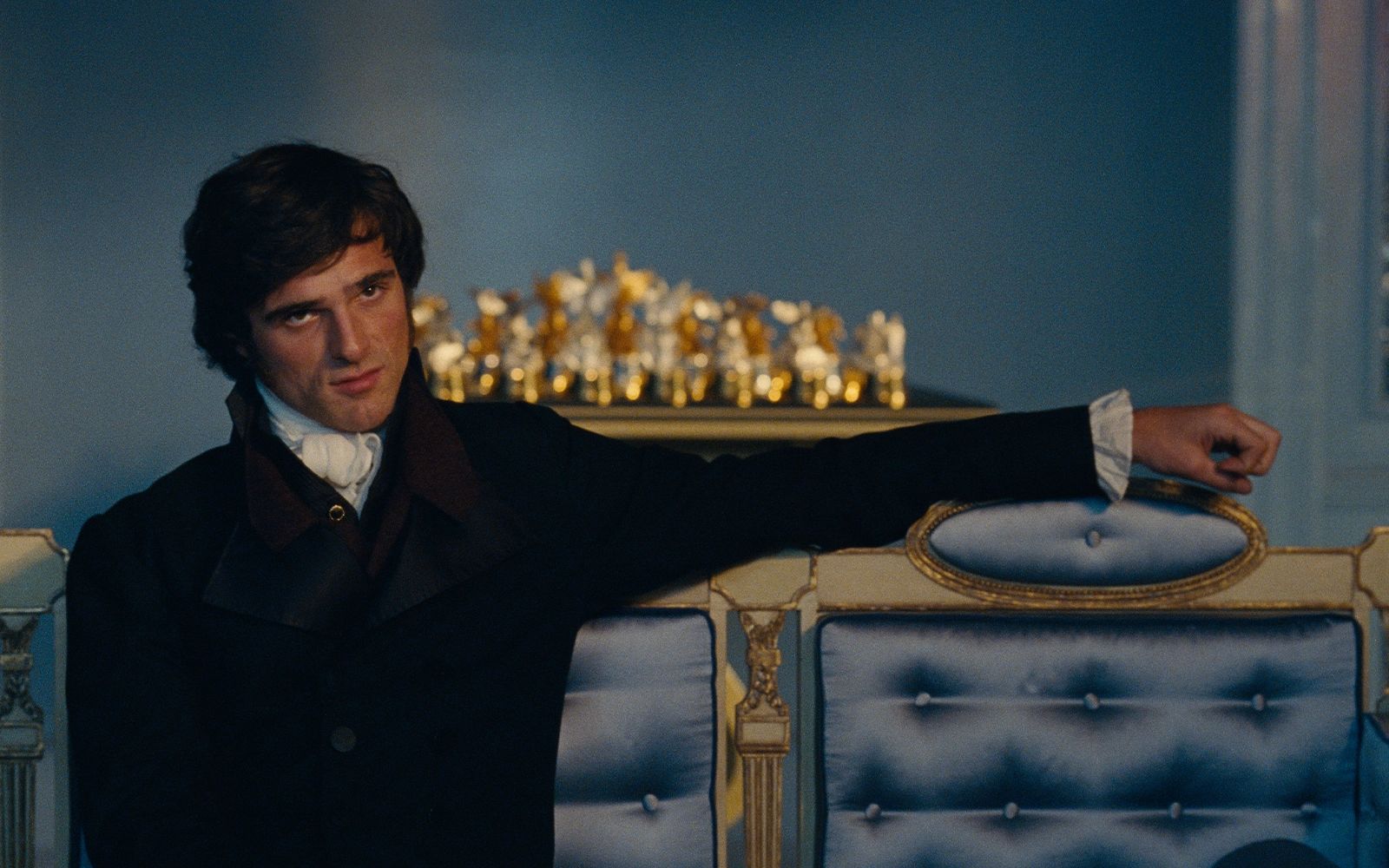
From the get go, Fennell draws audiences into a cold, dreary world where life is harsh, people are cruel, and meaning feels scarce.
With a grating violin-and-cello score that amplifies the gloom – reminiscent of the oppressive soundscape in Todd Phillips’ “Joker” – the film leans heavily into its misery.
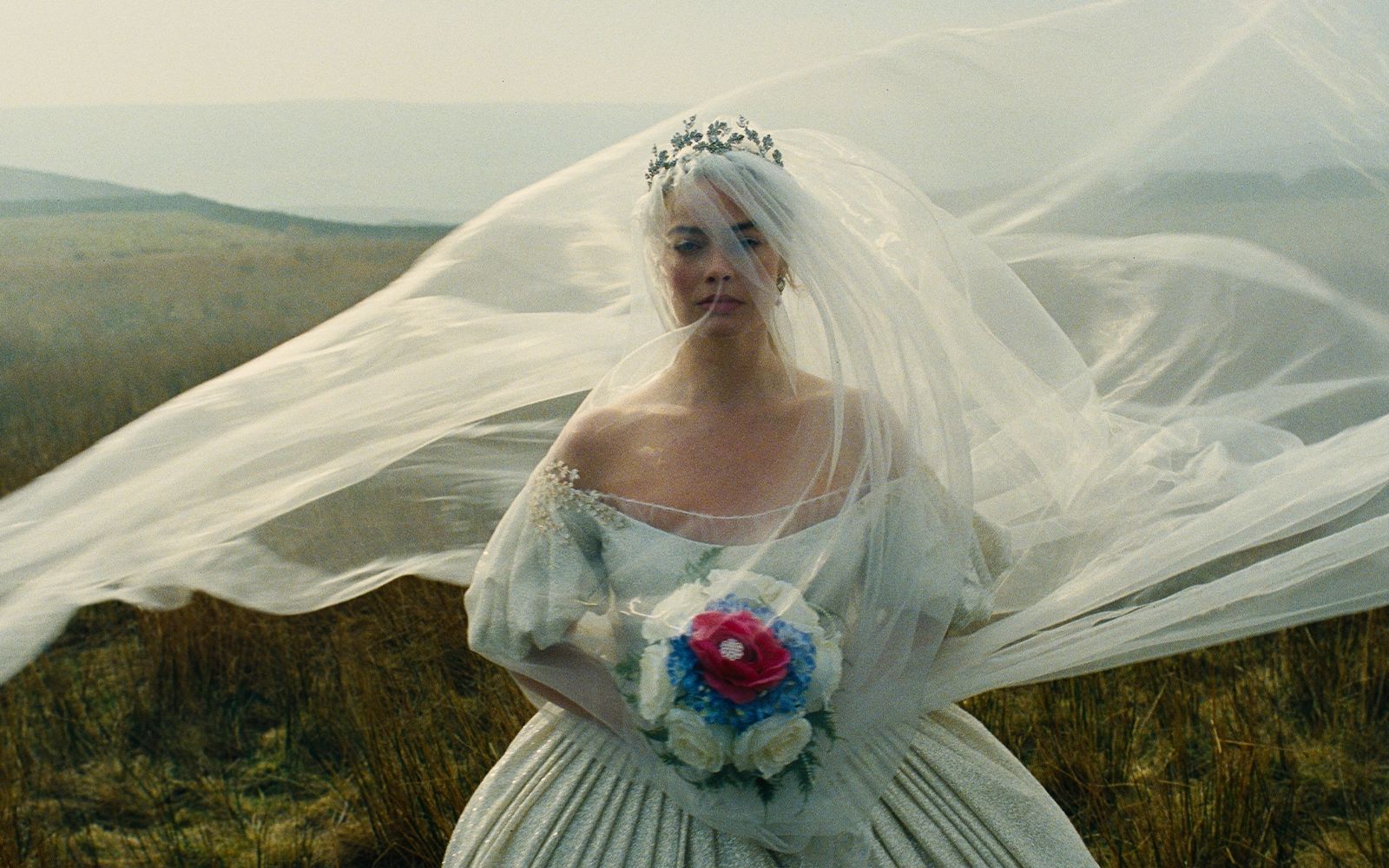
Painting-like shots evoke the Romantic era: foreboding manor houses, vast moors, and wind-lashed mountaintops that seem to swallow the characters whole.
As far as narrative goes, “Wuthering Heights” follows Catherine Earnshaw (Margot Robbie) and Heathcliff (Jacob Elordi), whose childhood bond on the Yorkshire moors curdles into a destructive romance shaped by class divides and devastating choices.
When Catherine marries the wealthy Edgar Linton, Heathcliff returns determined to reclaim what he believes is his – igniting a storm of passion, revenge and heartbreak.
As children, a brutalised Heathcliff and a spirited Catherine vow never to part. That promise becomes toxic in adulthood. Yet when Robbie and Elordi take over, something doesn’t ignite. Both act well, but they feel miscast. The chemistry should be feral and dangerous; instead, it’s polished and restrained.
Part of the issue is physicality. Heathcliff is often imagined as dark, brooding, almost elemental – a man forged by humiliation and rage. Elordi brings brooding, yes, but not the volcanic menace the role demands. Robbie’s Catherine, meanwhile, carries elegance and self-awareness where wild contradiction should reign.
Narratively, the film often feels like a reworking of Romeo and Juliet – but transplanted onto the moors of Wuthering Heights.
There is the class divide between Catherine and Heathcliff. There is the meddling voice of practicality. Nelly, much like Juliet’s nurse, becomes the advocate of safety and social survival. She nudges Catherine toward the wealthy Edgar, only, she has more selfish reasons to do this.
Indeed, this emphasis on social structure over psychological obsession shifts the centre of gravity. Brontë’s novel is less about star-crossed lovers and more about destructive possession. Fennell’s version leans into the romance – and occasionally softens the brutality that makes the original so unsettling.
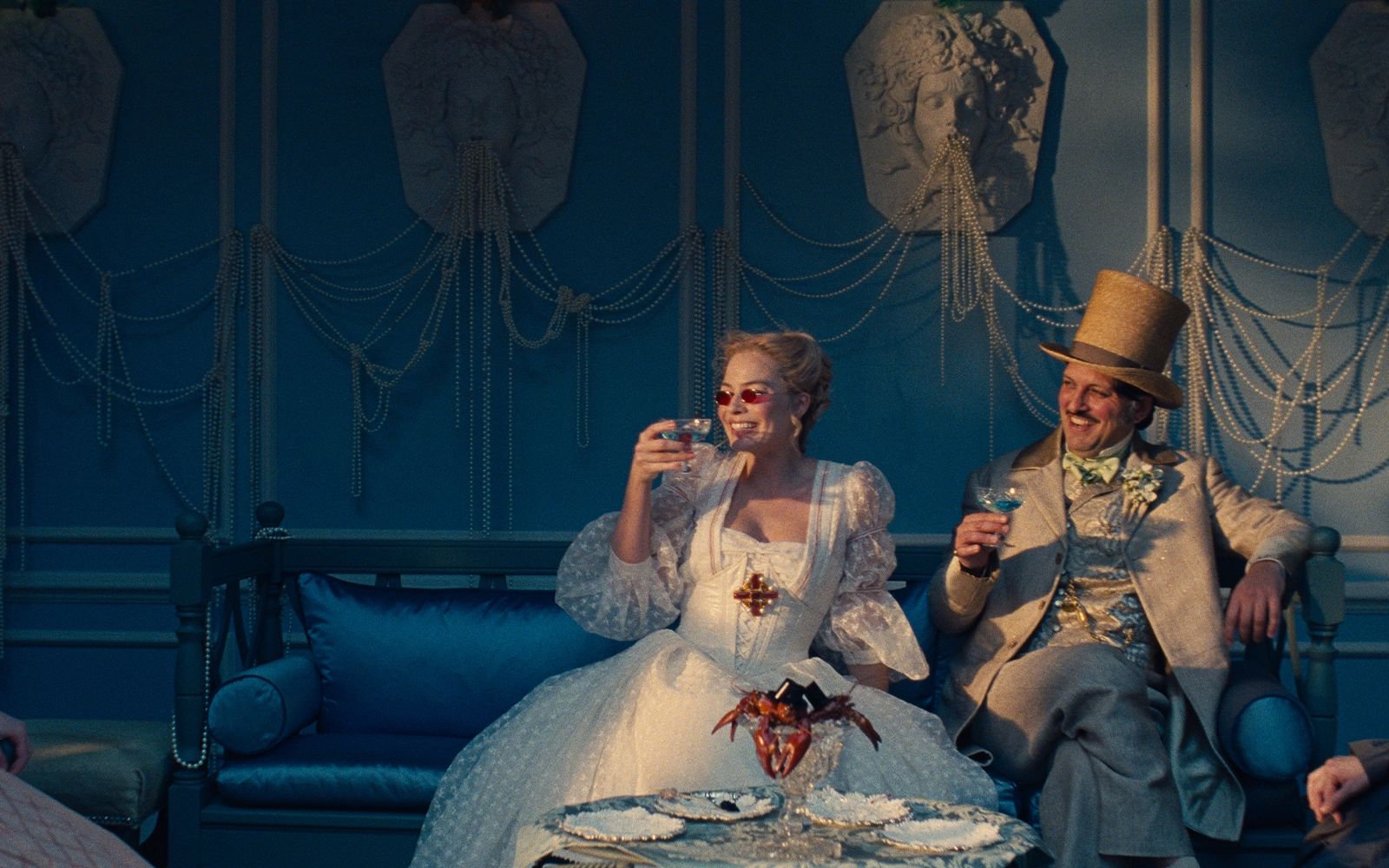
After Catherine’s wedding to Edgar, the film’s tone shifts to brighter colours, imbuing the audience with a giddy summer fever, complete with songs by British pop singer Charli XCX. Yes, this is a reimagining but would Brontë approve or would she be rolling in her grave? Probably the latter.
Still, there are moments when the film soars. Certain frames are breathtaking – Catherine standing against a bruised sky, Heathcliff emerging from shadow like a spectre of unfinished grief. In these instances, Fennell captures the aching, ghostly quality that has kept “Wuthering Heights” alive for generations.
So, was this reimagining necessary? Perhaps not. Does it work? In parts.
It is a film of striking images and bold intentions, hampered by uneven casting, sluggish pacing, and a weaker story than the original masterpiece. “Wuthering Heights” does not fully unleash the savage heart of Brontë’s story – but it offers, albeit fleetingly, glimpses of the original.
As of press time, ‘Wuthering Heights’ is screening in cinemas nationwide.