Syaza Shukri of the International Islamic University Malaysia said Barisan Nasional has the benefit of incumbency as it currently leads the Melaka government, but partnering with PAS could compel Umno to surrender several seats under the pact.
She also said PAS’s weak footing in Melaka offers Umno little prospect of electoral gains.
“PAS is not a major force in Melaka. Even if Umno could get votes from PAS supporters, it wouldn’t be that much. If anything, Umno would have to give up seats for PAS to contest,” she told FMT.
Universiti Teknologi Malaysia’s Mazlan Ali said that while the pact could consolidate Malay support in constituencies where the community dominates, BN would likely face rejection in mixed and Chinese-majority seats.
He added that such a pact could deepen ethnic polarisation in the state and potentially put off more urban Malays in Melaka.
Based on 2018 election data, most of the 28 state seats in Melaka are Malay-majority, though fewer than half make up a large majority of 70% or higher.
Meanwhile, non-Malay voters make up a significant share of the electorate in a number of seats, and form the majority in five constituencies.
On Wednesday, Umno Youth chief Dr Akmal Saleh called for his party to work with PAS in the next Melaka polls, saying Malay political divisions had weakened the community’s influence even in areas where the demographic formed the majority.
Akmal also rejected concerns that an Umno-PAS alliance would sideline non-Malays, saying the broader BN framework would remain intact to look after the interests of the community.
BN will lose non-Malay support that PH offers
Both analysts warned that an alliance with PAS would undermine BN’s multiracial positioning and cost the coalition the support of non-Malay voters, which has been enhanced by its existing alliance with PH.
“Umno already has a good chunk of the Malay seats. BN would risk further alienating non-Malays (by cooperating) with PAS, so I don’t see the gain,” said Syaza.
On the other hand, Mazlan warned that testing out a PAS pact in Melaka could strain Umno’s already tense ties with PH, and lead to clashes in future elections.
“There is a possibility that PH will decide to go solo in contesting for all parliamentary and state assembly seats, not only in Melaka but all across the country,” he said.
Syaza and Mazlan also dismissed Akmal’s argument that “Malay unity” would be the deciding factor in the Melaka polls, saying such sentiments were much less dominant there due to the state’s multiracial composition.
“I believe it still hinges on bread and butter grievances, (the quality of) candidates nominated and the services of incumbent assemblymen,” said Syaza.
Mazlan said the idea of Malay unification would only be a key factor in areas where Malay voters dominated the electoral roll.
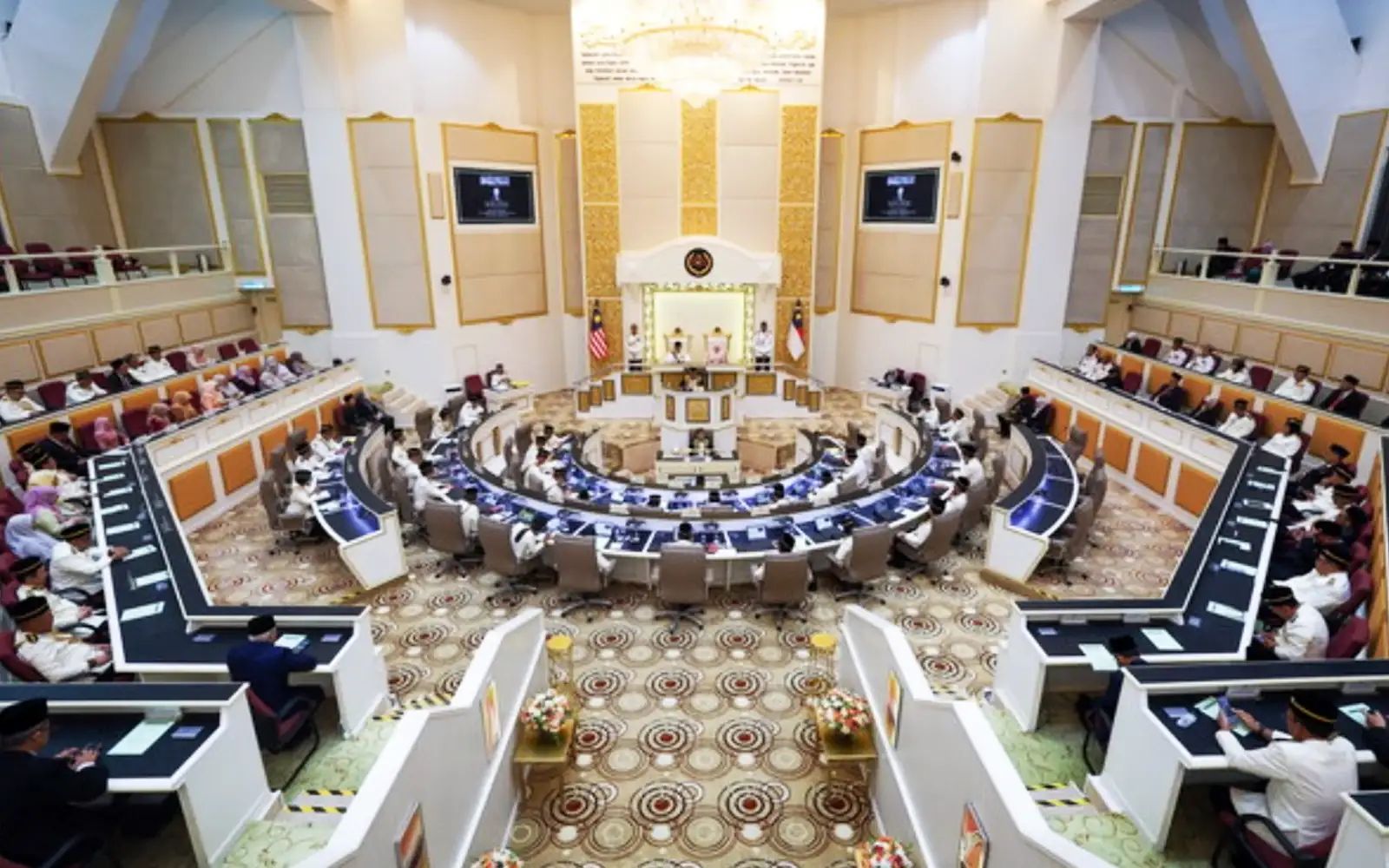
BN won 21 of the 28 seats up for grabs in the 2021 Melaka polls, while PH won five and PN took two through Bersatu.
Rembia assemblyman Jailani Khamis, formerly of Umno, moved to the opposition bloc after joining PAS in 2023, before the state assembly’s anti-hopping law came into force.
PAS failed to win a single seat in the 2021 state election. However, the Islamic party won two parliamentary seats in Melaka during the 2022 general election, wresting the former Umno strongholds of Jasin and Tangga Batu.
The five-year term of the Melaka legislative assembly will end in December, after which a state election must be held within 60 days.