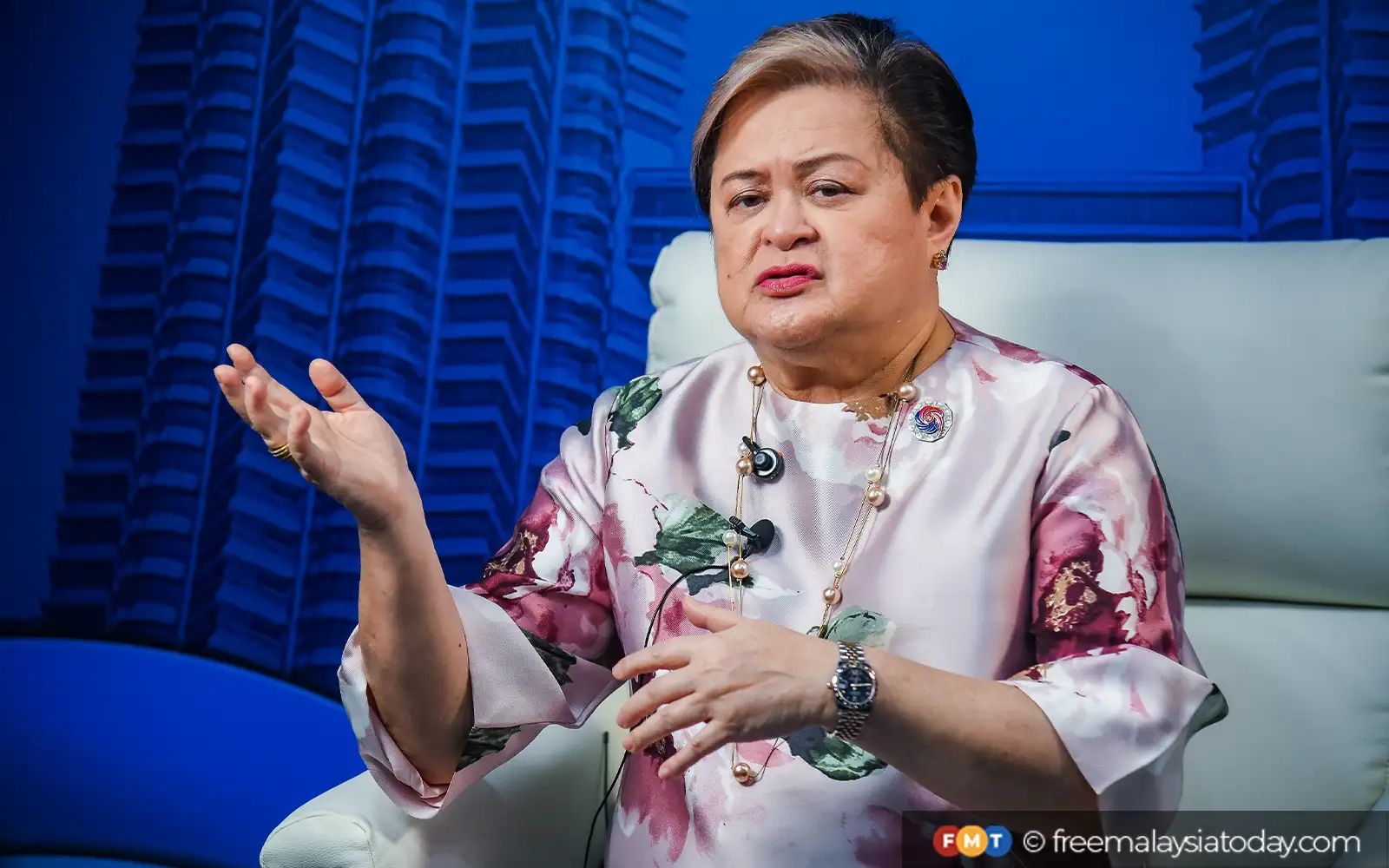
Foreign secretary Theresa Lazaro told a forum in Singapore that the Association of Southeast Asian Nations and China will increase the pace of working group meetings to monthly gatherings from the current three‑month intervals.
The code has been under discussion for years, but the talks have stalled repeatedly over disagreements on its scope, enforcement and legal status.
Four Asean members – Brunei, Malaysia, the Philippines and Vietnam – have laid partial claims to the South China Sea.
China claims the crucial waterway almost in its entirety despite an international ruling that its stance has no legal basis.
Beijing and Manila have had a series of confrontations in the sea in recent years, including collisions and Chinese ships using water cannons on Filipino vessels.
Lazaro said there will also be additional meetings between senior officials under the new schedule.
She told the forum organised by a Singapore-based think tank that the goal was to produce a code that is “effective and substantive” and in line with international law.
“This year, we will endeavour to conclude the Asean-China Code of Conduct of Parties in the South China Sea,” Lazaro said, in line with a mandate agreed by Asean foreign ministers in 2023.
“I have to emphasise the word ‘endeavour’ to finish. As I said, I’m an optimist and also a pragmatist because we really don’t know how things will work.”
The Philippines took over as chair of the 11‑nation bloc from Malaysia in January.
Lazaro said momentum in the talks has improved, with several Asean member states recently submitting documents and proposals to guide the next stage of discussions.
She said some of the most contentious issues included whether the code should be legally binding, the geographical scope covered by the agreement and the definition of terms such as “self‑restraint”.
“Asean and China have heavily invested in negotiating this code of conduct,” she said.
“It is… about time to finish.”